

Women’s holistic health in 2026 is about understanding your body as one connected system, not separate parts to fix individually. If your horniness is off, your sleep, mood, digestion, and energy are likely to be off, too. That’s why women’s health guides focus on the full picture, helping you cut through conflicting advice and build a routine that actually works for your body.
Research in endocrinology and psychoneuroimmunology shows how closely linked hormones, stress responses, and immune function are in shaping overall well-being. Instead of chasing trends, modern wellness is about recognizing how stress, gut health, hormones, and daily habits interact.
What Holistic Health Means for Women Today

Holistic health for women today goes far beyond surface-level wellness habits like dieting or exercise routines. It’s rooted in systems thinking, the idea that the body functions as an interconnected network where hormones, metabolism, mental health, and lifestyle continuously influence one another. Instead of treating symptoms in isolation, this approach asks a deeper question: what underlying system is out of balance?
Systems Thinking in Women’s Health
At the core of this perspective is systems theory, which views the human body as a dynamic system made up of interdependent parts. For women, this is especially relevant because hormonal fluctuations across the menstrual cycle, pregnancy, and menopause create ripple effects throughout the entire body. A disruption in one area, such as chronic stress, can influence multiple systems, including sleep, digestion, and immune response.
The Biopsychosocial Model Explained
One key framework supporting holistic health is the biopsychosocial model. This model explains that health is shaped by the interaction of biological factors (like hormones and genetics), psychological factors (such as stress and emotions), and social influences (including relationships and environment). For example, high stress levels don’t just affect mood; they alter cortisol levels, disrupt menstrual cycles, and weaken gut health.
The Gut-Brain Connection
Another important aspect is the gut-brain axis, which highlights the two-way communication between the digestive system and the brain. Research shows that gut health can influence mood, energy, and even hormone balance. It reinforces the idea that nutrition, mental well-being, and hormonal health cannot be treated separately.
Why Homeostasis Matters
Holistic health also draws on the principle of homeostasis, the ability of the body to maintain internal balance. When lifestyle factors such as poor sleep, nutrient deficiencies, or chronic stress persist, this balance is disrupted. Over time, the body compensates, often leading to fatigue, burnout, or chronic conditions. Supporting homeostasis through consistent habits, like quality sleep, balanced nutrition, and stress management, is central to modern wellness.
Preventive Wellness for Modern Women
For women today, holistic health means shifting from reactive care to preventive, personalized living. It’s about recognizing patterns: how your energy changes throughout the month, how stress impacts your body, and how your environment shapes your well-being.
In essence, holistic health is not about doing more. It’s about understanding more. By applying systems thinking and evidence-based frameworks, women can move beyond confusion and build wellness routines that are aligned, sustainable, and truly effective.
Your Body is a Connected System, Not Separate Problems.

Your body doesn’t operate in isolated parts; it functions as an interconnected system where hormones, gut health, the nervous system, and even your skin are constantly influencing one another. When one area is out of balance, it often shows up somewhere else. For example, hormonal shifts can affect digestion and skin, while chronic stress can disrupt both gut and cycle.
This interconnected view is supported by systems theory, which explains that the body works as a network of interdependent systems rather than separate units. It helps explain why treating only surface symptoms like acne or fatigue without addressing root causes often leads to temporary results.
A key connection to understand is the gut-brain axis, the two-way communication between your digestive system and brain. Your gut microbiome plays a role in producing neurotransmitters and regulating inflammation, meaning what happens in your gut can directly affect your mood, stress levels, and energy.
Building on this is the gut-brain axis, which links digestion, mental well-being, and skin health. When stress activates the nervous system, it can disrupt gut balance, leading to inflammation that may appear on the skin as breakouts, irritation, or flare-ups of conditions like acne vulgaris. Similarly, poor gut health can influence hormones, which also impacts the skin.
This is why holistic health focuses on restoring balance across systems, not fixing isolated issues. By supporting your gut, managing stress, and understanding your hormones, you create a ripple effect that improves your overall well-being, including your skin.
Understanding Your Cycle as a Productivity Tool
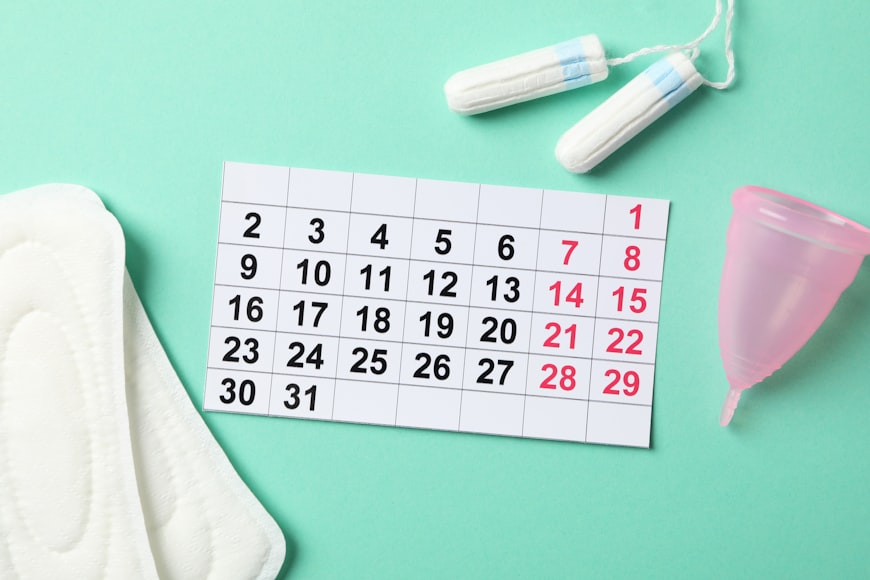
Your menstrual cycle isn’t just about periods; it’s a built-in rhythm that influences your energy, focus, and mood throughout the month. By understanding its phases, you can work with your body instead of against it.
The cycle is regulated by hormonal shifts studied in endocrinology, and each phase comes with distinct mental and physical patterns.
Menstrual Phase (Day 1-5)
Energy is typically lower as hormone levels drop. This is a time for rest, reflection, and light tasks. Focus may feel inward, making it ideal for planning or reviewing rather than starting something new.
Follicular Phase (Days 6-13)
As estrogen rises, so do energy, creativity, and motivation. This phase supports fresh ideas, learning, and starting projects. You may feel more optimistic and mentally sharp.
Ovulatory Phase (Day 14)
This is often your peak for confidence and communication. Social energy, clarity, and focus are at their highest, making it a great time for presentations, meetings, and collaborations.
Luteal Phase (Day 15-28)
This phase is also known as the secretory phase. Here, the energy gradually declines as progesterone rises. Early in this phase, focus and productivity remain strong, which is great for completing tasks. Later on, you may feel more introspective or sensitive, signaling a need to slow down and prioritize rest.
This approach, often known as “cycle syncing,” aligns with the biopsychosocial model, recognizing how biological rhythms influence mental performance and emotional well-being.
When you start aligning your workload, social activities, and self-care with these phases, productivity becomes more natural and far less exhausting
Why Burnout Is a Nervous System Issue
Burnout isn’t just about doing too much; it’s often a sign that your nervous system has been stuck in a constant stress state for too long. The autonomic nervous system controls your body and has two main modes: “fight or flight” and “rest and digest.”
The sympathetic response is meant for short bursts of stress, like deadlines, emergencies, and pressure. It increases alertness, heart rate, and cortisol. But when this state becomes chronic due to work stress, emotional stress, and lack of rest. Your body never fully resets. Over time, this leads to fatigue, poor sleep, irritability, and hormonal disruption.
Rest and digest; the parasympathetic response is where recovery happens. Digestion improves, hormones stabilize, and the body repairs itself. Burnout occurs when this system isn’t activated enough. This aligns with the allostatic load, which explains how prolonged stress gradually wears down the body.
Understanding body burnout this way helps you treat your body better. It’s not about doing less but helping your body feel fatigued and heal up again.
Nervous System Regulation That Actually Fits Your Life
Regulating your nervous system doesn’t require a perfect morning routine. It requires small, consistent signals of safety throughout your day. The goal is to gently reactivate your parasympathetic (rest and digest) response in realistic ways.
Simple tools include
- Slow, deep breathing activates the vagus nerve
- Taking short breaks between tasks
- Getting natural light in the morning
- Walking or stretching instead of Intense workouts when stressed
- Limiting constant digital stimulation
These practices are supported by the polyvagal theory, which explains how the nervous system responds to cues of safety and threat. You don’t need to overhaul your life; you just need to reduce pressure and build regulation into what you already do.
Consistency matters more than perfection. Even a few minutes of intentional rest can help shift your body out of stress mode and restore balance over time.
Why a One-Size-Fits-All Diet Doesn’t Work
There’s no single perfect diet because every woman’s body is different. Your metabolism, hormones, and gut health all influence how you respond to food. What works for one person might leave another person feeling bloated, tired, or unsatisfied.
This is supported by the Bioindividuality Principle, which recognizes that nutritional needs vary from person to person. Factors like age, activity level, stress, and hormonal fluctuations all play a role.
Additionally, the nutritional psychiatrist shows how food affects not just physical health but also mood and cognitive function. For example, a restrictive diet can affect blood sugar balance, leading to irritability, cravings, and fatigue.
Modern wellness focuses on personalization and flexibility, learning how your body responds and adjusting accordingly.
Eating for Hormonal Balance and Energy
Eating for hormonal balance starts with one key principle: stable blood sugar. When your blood sugar spikes and crashes. It affects your energy, mood, focus, and even skin.
This is explained by glucose homeostasis, which highlights how the body maintains balanced energy levels. Frequent spikes, often caused by sugary or highly processed foods, can increase cortisol and insulin fluctuations, disrupting hormones over time.
To support balance, focus on:
- Regular Consistent meals
- Combining protein, healthy fats, and fiber
- Avoiding long gaps without eating
- Staying hydrated
These habits help maintain steady energy, reduce cravings, and support clearer thinking. They also influence skin health and mood by reducing inflammation and supporting hormone regulation.
Rather than restrictive eating, this approach emphasizes nourishment and consistency while giving the body what it needs.
GUT, SKIN & INTERNAL SIGNALS
The Gut-Brain-Skin Axis Explained Simply
Your gut, brain, and skin are constantly communicating without you knowing it. This connection, known as the gut-brain-skin axis, explains why what happens internally eventually shows out externally.
Here’s the simple version: your gut helps regulate inflammation, hormones, and even mood through its connection with the brain (via the gut-brain axis). When your gut is balanced, these systems tend to function smoothly, but when it’s disrupted due to stress or poor diet. It triggers inflammation in the body.
Inflammation doesn’t stay hidden; it can show up on your skin like breakouts, dullness, or irritation. Conditions like acne vulgaris are linked to both gut health and stress levels, not just external factors.
In this case, whatever you eat affects and influences your skin, too.
When Your Body Is Trying To Tell You Something
Many of the symptoms women try to fix are actually signals, not failures. Your body is always communicating if something isn’t in order.
- Skin breakouts: may reflect hormonal shifts, inflammation, or gut imbalance
- Fatigue: can signal chronic stress, poor sleep, or nutrient deficiency
- Cravings: often relate to blood level instability or emotional stress.
These signals align with homeostasis; your body makes an effort to maintain internal balance. When something is off, it sends a message to let you know.
Instead of suppressing or ignoring these signs, holistic health encourages you to get curious. Try to identify what your body might need: rest, nourishment, etc. When you start listening to your body’s communication, it becomes easier to understand.
LONG-TERM HORMONAL HEALTH
Understand Perimenopause Earlier Than You Think
Perimenopause doesn’t start immediately in your 40s. It often begins earlier, sometimes in your mid-30s, with subtle hormonal changes that are easy to miss. Understanding this phase is not about fear but being able to recognize the changes in your body.
Perimenopause is driven by fluctuations in estrogen and progesterone, studied within endocrinology. These shifts can influence sleep, mood, cycle regularity, and energy levels. Symptoms like fatigue, anxiety, and increased menstrual flow are noticeable.
Rather than seeing these changes as a problem, they may be viewed as early signals from your body. This aligns with homeostasis because your body is trying to maintain balance, and perimenopause is part of the transition. Early awareness helps you identify the problem before symptoms become disruptive.
When you understand what’s happening internally, you are more equipped to make supportive choices by sleeping well, eating healthy, and adjusting nutrition. Perimenopause isn’t something to fear but something to understand and prepare for.
Supporting Your Body Before Problems Start
Your daily habits, such as how you eat, sleep, rest, and manage stress, play a role in how the hormones function. This approach is supported by allostatic load, which explains how repeated stress without recovery can eventually lead to body breakdown.
Nutrition also plays a key role; balanced meals that stabilize blood sugar levels increase hormonal levels. Rather than waiting for your body to break down, you could just help yourself by resting appropriately and eating meals, etc.
Think of it as building a foundation by treating your body right, which helps your body become resilient to stress, life transitions, and hormonal changes.
Creating A Wellness Routine That Actually Works For You
A wellness routine works if it fits your life and not someone else’s. Many women struggle because they try to follow rigid, idealized routines that don’t match their energy level, schedules,, or responsibilities. This is where the principle of bioindividuality becomes essential. Your needs are shaped by your lifestyle, hormones, stress levels, and also your environment. A routine that works perfectly fine for another person may not work effectively for you.
Instead of aiming for perfection, aim for alignment. Ask your body what it needs: more rest or more stress, and build around that. The biopsychosocial model also supports this approach, showing that health is influenced by physical, emotional, and social factors.
The aim is not to do much but to get the body up and running. Consistency over intensity
It’s said, “slow but steady does the trick”. When it comes to long-term health, consistency matters more than intensity. Your body reacts best to repeated, supportive behavior over time. The body thrives on stability and gradual adjustment, not constant extremes.
Small habits like eating a balanced diet, sleeping well, or taking daily walks may seem simple. But progressively, it begins to add to the value of human life and makes life stressful.
On the other hand, intense but inconsistent efforts can increase stress on the body, making it hard to maintain balance. This is mostly for women whose hormonal systems are sensitive to stress and changes.
Sustainable health is built through consistency and not perfection.
RELEASING CONFUSION AND PRESSURE
Why You’re Not “Doing It Wrong”
Many women feel like they are failing at health after trying lots of diets, skin routines, and advice from people, and still nothing and no changes.
Stress, hormones, lifestyle, and the environment all have a complicated effect on health. According to system theory, no one factor works alone. So when something isn’t working for you, it simply means there’s something else that actually needs your attention. This perspective gradually shifts the mindset from blame to understanding. Instead of questioning, why isn’t this working? You actually ask, What’s wrong with my new routine, etc.
It also reduces the pressure of trying to be with your friends and using what doesn’t work for you, probably because of different stress levels, hormonal fluctuations, and nutritional content.
Letting go of the idea that there is only one way to fix an issue leads to a better, compassionate, and effective approach to health.
Thinking About Health
Rethinking health starts with moving away from extremes towards balance. Instead of seeing the body as a checklist for perfect habits. It becomes an ongoing process with your body.
This totally makes one understand that well-being isn’t only based on the physical aspect but also on mental and social factors working together.
Health becomes less about control and more about awareness. You begin to notice patterns, how stress affects your mindset and thinking, while real focus improves your mood. Over time, this awareness leads to better decisions, not through pressure but understanding.
Conclusion: Your Body Is A Connected System
Women’s health works best when you stop treating your body like a set of problems to fix and start seeing it as a connected system to care about. Hormones, gut health, the nervous system, metabolism, and even your skin are constantly influencing one another. Once an area is affected, it shows up somewhere else.
This systems-based approach is grounded in systems theory, which emphasizes that long-term well-being comes from understanding how different parts of the body interact. It’s also supported by the biopsychosocial model, showing that your physical health is deeply connected to your mental state, environment, and daily habits. When you begin to view your health from this angle, your confusion fades away.
Most importantly, you begin to trust your body signals, like cravings, fatigue, or skin changes, are no longer frustrating setbacks but important feedback. They help you adjust, refine, and support your system more effectively over time.
In 2026 and beyond, the future of women doesn’t solely depend on doing more but understanding more. When you understand how your body connects, your approach to wellness becomes more intuitive, simpler, and effective.
FAQs
What does holistic health mean for women?
Holistic health means viewing the body as an interconnected system where hormones, gut health, mental health, and lifestyle all influence each other, rather than treating symptoms in isolation.
How do I start cycle syncing?
Begin by tracking your menstrual cycle and noting changes in energy, mood, and focus. Then adjust your task, workouts, and rest period to align with each phase.
What is nervous system regulation?
It’s the practice of helping your body shift from stress (fight-or-flight) into a calm, balanced state (rest-and-digest) through simple habits like breathing, rest, and reducing overstimulation.
How does gut health affect hormones?
Gut health influences hormone regulation by affecting inflammation, nutrient absorption, and estrogen metabolism, all of which influence mood, energy, and cycle balance
Can I balance my hormones naturally?
Yes. Consistent habits like balanced nutrition, stress management, quality sleep, and regular movement support your body’s natural regulation processes.
What is perimenopause, and when does it start?
Perimenopause is the transitional phase before menopause when hormone levels begin to fluctuate. It can start as early as the mid-30s to early 40’s with subtle symptoms.